A mountain wedding naturally provides memorable scenery, but beautiful surroundings alone do not create a meaningful wedding gallery. The strongest collections feel connected from beginning to end, moving through anticipation, ceremony, celebration, and the quieter moments in between. Couples planning a wedding in Western North Carolina can help create that kind of visual story by thinking beyond individual portrait locations. Good photography should preserve the landscape, certainly, but it should also reveal relationships, emotions, movement, and the distinctive atmosphere of the day.
Begin With the Setting
A complete wedding story often starts before people appear in the photographs. Images of the venue, surrounding mountains, changing weather, ceremony setup, invitations, clothing, and personal details can establish where the celebration is happening.
This approach can be especially valuable for couples considering Destination Wedding Photography Asheville Nc. Guests may have traveled considerable distances to experience the region, making the location part of the reason everyone has gathered.
Wide photographs can provide context, but smaller observations matter too. Morning fog, chairs waiting for guests, flowers moving in the wind, or handwritten notes can establish atmosphere without relying on dramatic scenery in every frame.
Photograph Relationships Before Poses
Couples naturally want portraits together, but their relationships with family and friends are also part of the wedding story. Getting-ready hours provide opportunities to document parents, siblings, attendants, and close friends interacting without the structure of formal group photographs.
These moments might include someone helping with a dress, adjusting a tie, sharing a drink, reading a letter, or simply sitting together before the ceremony.
Photographs of these interactions become more meaningful over time because they show who was present and how people connected, rather than merely documenting what everyone wore.
Let the Ceremony Develop Naturally
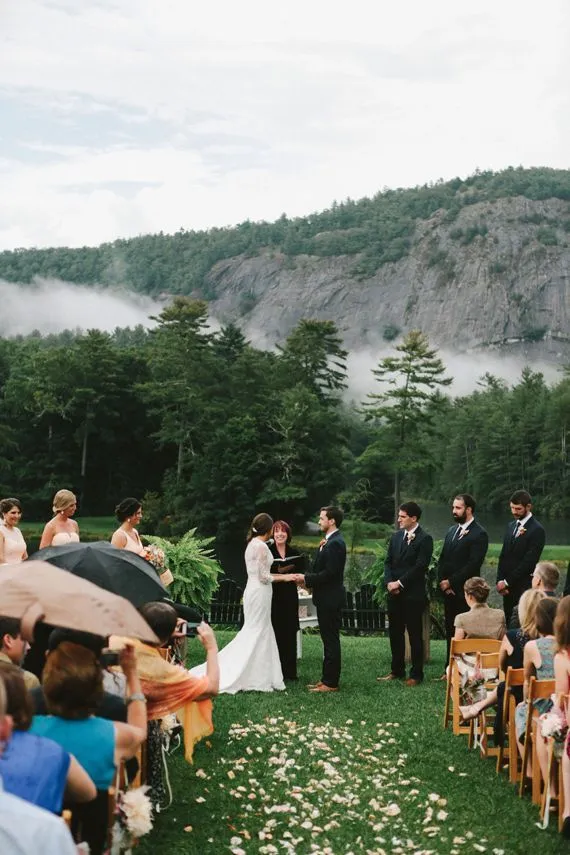
Ceremonies contain many reactions that cannot be recreated authentically. One partner seeing the other arrive, parents watching from the front row, guests laughing during personal vows, and newlyweds reacting immediately after the ceremony can happen within seconds.
A photographer needs freedom to anticipate those moments rather than repeatedly directing the couple.
Couples can help by discussing important traditions or surprises beforehand. If a special reading, family ritual, or unexpected performance is planned, advance knowledge allows the photographer to prepare without interfering.
Use Portraits to Show Place
Mountain portraits are most effective when the couple remains the emotional center of the image. A huge landscape can be impressive, but not every portrait needs to place people far away against a scenic overlook.
Someone searching for a wedding photographer boone north carolina may be drawn to the area’s mountain character, wooded surroundings, and seasonal scenery. Those elements can appear through a mixture of wide environmental portraits and closer photographs that emphasize expressions and connection.
A varied portrait session might include:
-
one or two wide landscape compositions;
-
relaxed walking photographs;
-
close portraits with natural interaction;
-
movement rather than fixed posing;
-
photographs using trees, architecture, or changing light.
Variety helps the gallery reflect both the destination and the relationship.
Do Not Ignore the In-Between Moments
Many photographs that make a wedding gallery feel complete happen outside the formal schedule. Guests may greet one another before the ceremony, children may explore the venue, relatives may talk during cocktail hour, and friends may react unexpectedly during speeches.
These transitional moments connect the major events.
Without them, a gallery can feel like a sequence of isolated highlights: getting ready, ceremony, portraits, reception. Including what happens between those stages creates continuity and gives viewers a better sense of how the day actually unfolded.
Let the Reception Change the Energy
Wedding photography should not maintain the same mood from morning to night. The reception naturally brings different movement, lighting, and expressions.
Dinner conversations may feel intimate, speeches can be emotional, and dancing can become unpredictable. Rather than trying to make every photograph visually perfect, documentary-minded coverage allows some images to feel energetic, humorous, or spontaneous.
The change in atmosphere gives the finished gallery rhythm. Quiet photographs become more powerful when they sit beside louder, more energetic moments.
Finish With an Intentional Ending
The final photographs influence how the entire story feels. An ending might be an organized exit, the last dance, friends celebrating late into the evening, or simply the couple stepping outside together after the reception.
Not every wedding requires an elaborate final photograph. What matters is that coverage reaches a moment that feels emotionally complete rather than stopping abruptly after a scheduled event.
Conclusion
A memorable mountain wedding gallery is built from more than scenic portraits. It combines place, relationships, anticipation, ceremony reactions, transitions, celebration, and the subtle details that make one wedding different from another. Couples can support stronger storytelling by creating a realistic timeline and leaving enough room for genuine interactions rather than filling every minute with staged photographs. Western North Carolina provides extraordinary scenery, but landscapes are only one layer of the story. Years later, the images most likely to matter are the ones that reconnect couples not just with where they married, but with the people, emotions, and experiences that made the day theirs.